

Training
and competency

Ensure that training and competency development are effectively established. These are essential for care workers
in ensuring the ongoing provision of safe, high-quality care and competent administration of the DHA.
This is central to the governance process and equally central to the allaying of any district nurse concerns as to delegation. They also play a pivotal role in building care worker confidence and competence, as well as confidence
in the quality of care from people who use services and their carers.
Again, it is not the purpose of this toolkit to provide detailed guidance as to what should be included in DHA training and competence development, but rather to highlight points from our research for consideration. These include:
- The design of training and the competence development/supervision process should be stipulated in the protocols for each DHA
- This should encompass responsibility for training delivery. Our research highlighted the importance of having a dedicated DHA Programme lead who was responsible for initial training. This was found to ease pressure on the wider district nursing teams.
- If other training providers are used, it will be important to ensure that these are appropriate to the activities that will be delegated
- Protocols should also stipulate who will oversee competence sign-off and ongoing supervision.
- There should be flexibility in the competence supervision process; the number of supervisions should be increased if deemed necessary by the supervisor or if the care worker would like to receive more (e.g. where they may be lacking in confidence)
- Five [observations] or more; however long they need because each carer’s different, some need more, some need less.
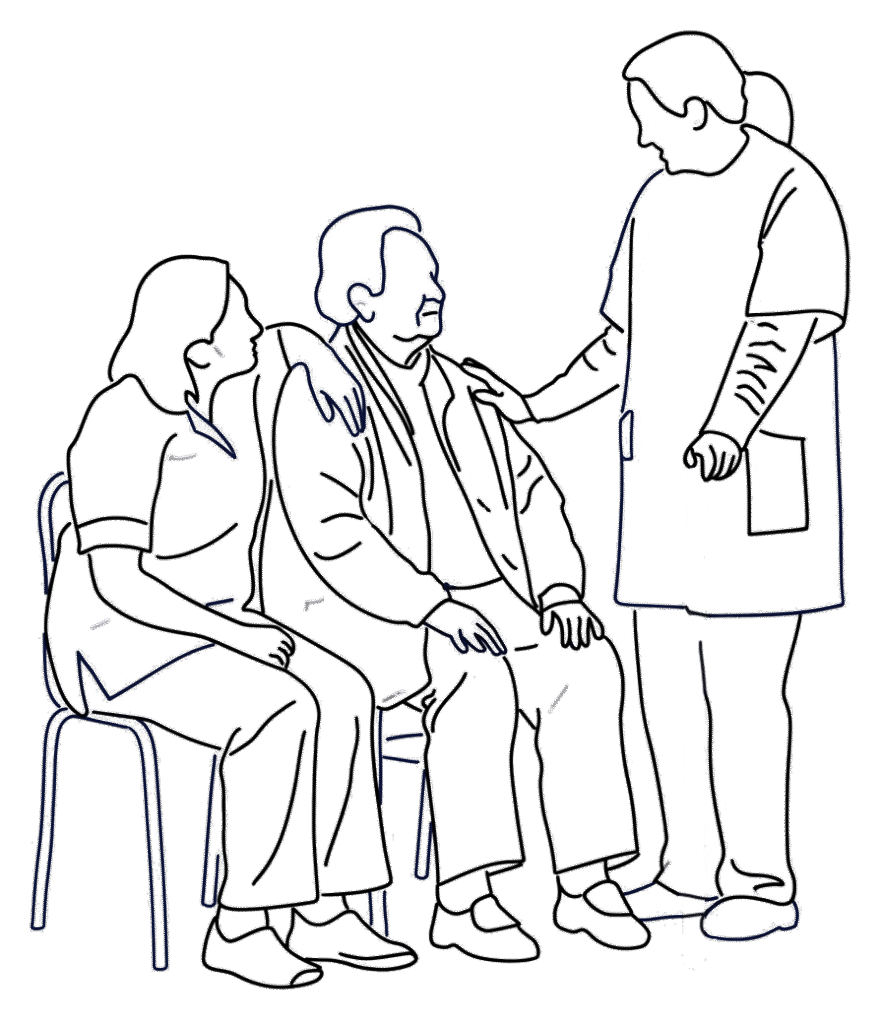
What I did not want is that any care home would be not included in some form of training or how we could improve care for people with diabetes within [borough]. So, all bar one care home have had me deliver training on basic diabetes care and blood glucose monitoring, on how to manage high and low blood sugars, and what we should bedoing in that situation. And that was to build the relationship within the care homes, and to look at how we could improve diabetes care across the service in [borough].
- Re-accreditation and the ongoing monitoring of competence (when, how and how frequently) should also be explicitly identified
- Careful record keeping of training achievement, competence development, monitoring and re-accreditation is important, for example, for CQC inspections.
As noted earlier, in GM these processes were very rigorous for insulin administration, but less so for some other DHA. It is important that training and competence development is sufficient to build competence and confidence for all DHA so consider rigorous programmes for all DHAs.
Implementing DHA programmes: checklist